
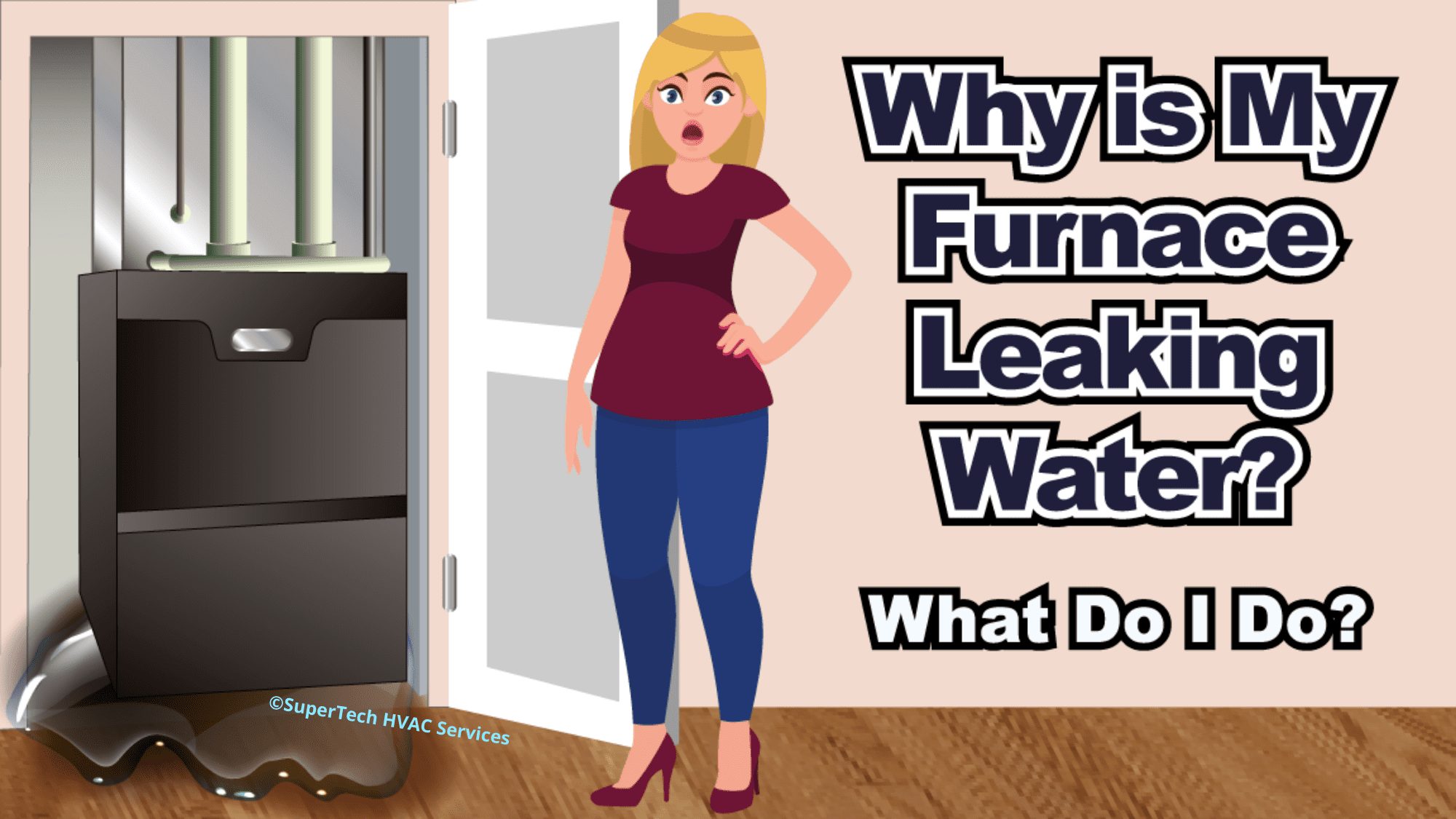
Water damage is one of the most common household disasters. We've all been there. A water leak can be a major headache and even cause mold to grow. This will make you sick and cost a lot of money to repair. Furnace leaking water is a common problem for homeowners to deal with. A water leak from your furnace could lead to high repair costs, or even worse, mold growth, which could damage your property and pose a risk to your health. If it continues to leak, then your furnace will eventually fail and need to be replaced. And if you're struggling with a furnace that won't turn on, you can explore more here.
It's always better to address an issue before it becomes a problem. An unchecked furnace leak can lead to more costly repairs down the road; homeowners should never overlook it. This post provides information on why furnaces leak water and what can be done about it! Call now so that we can stop the problem before it becomes bigger issue.
Get A Furnace Repair With SuperTech
How Does My Gas Furnace Work And Does it Produce Water?
You may be wondering, what does water have to do with my furnace? Let's jump right in!
For starters- lets dig into how your furnace works. When the indoor temperature has dipped below the thermostat's set temperature, the thermostat will send a signal to the control board located inside the furnace to begin the heating cycle. This starts by turning on an ignition switch, opening the gas valve, and turning on the draft fan in order to create combustion. The combustion warms the heat exchanger. The flue gasses inside the heat exchanger are released outside through the exhaust pipe. Then the blower fan blows cool air from inside your home past the heat exchanger. This is where the air absorbs the heat and is then forced through your house's ventilation system to heat the house. That's how warm air is made!
Got the basics? So where does the water come in?
A conventional furnace, also known as a standard efficiency furnace, does not produce water. However, if you have a high efficiency furnace, (90 % efficiency), condensation will arise due to the addition of the second heat exchanger. This is why a high efficiency furnace is also known as a condensing furnace, and standard efficiency furnace is a non-condensing furnace.
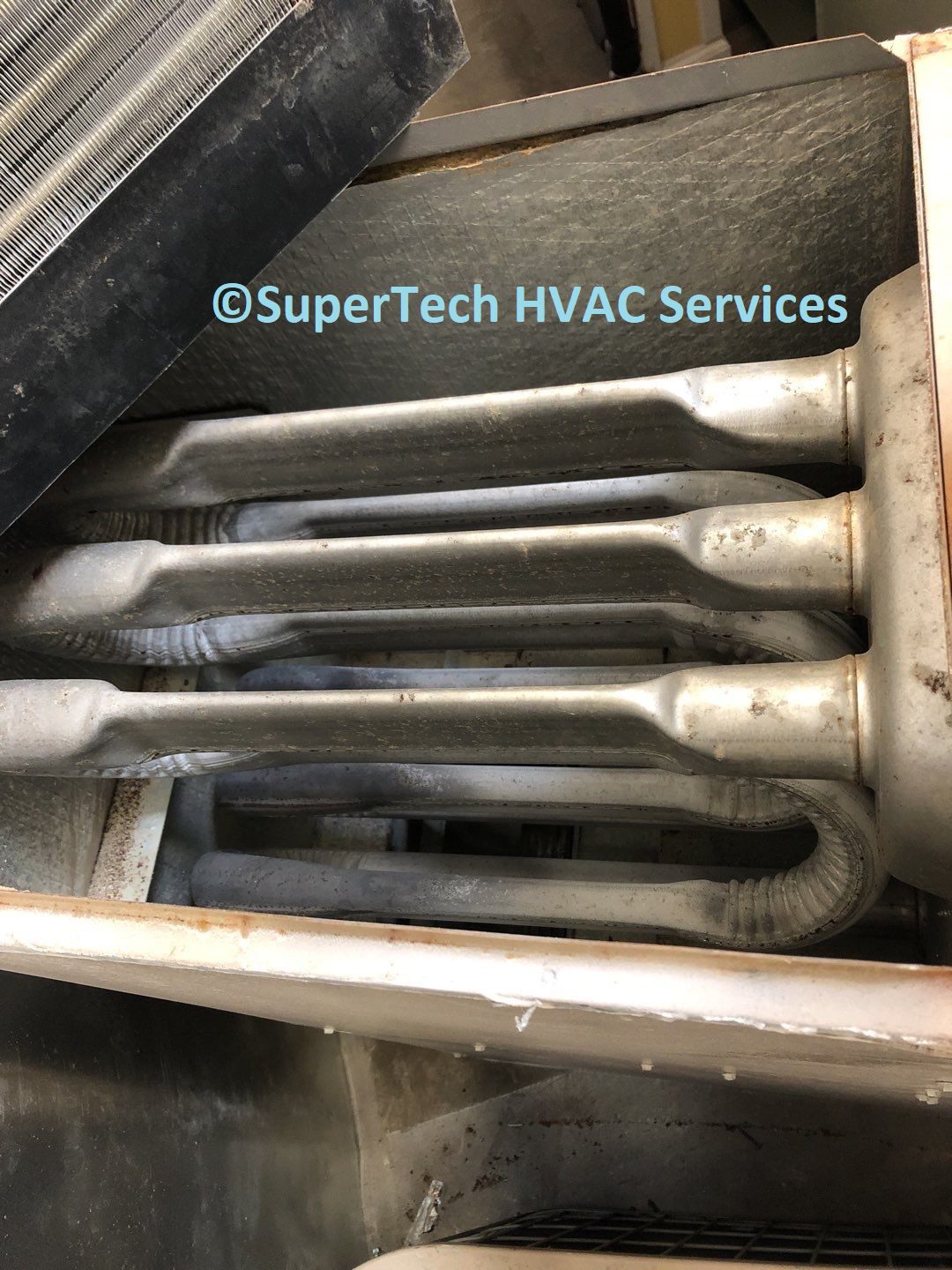
Primary Heat Exchanger
After the burning gas exits the primary heat exchanger, it proceeds to the secondary heat exchanger. The secondary heat exchanger is where the exhaust or flue gas undergoes further heat exchange. This creates water vapor forms. (Find out more about Heat Exchangers here!). As water transitions from a vapor to a liquid, more heat is released into the secondary heat exchanger. In this way, the furnace functions even more efficiently. From there, the condensation is drained into a condensate pump or a floor drain.
What kind of furnace unit do I have ?
Now, let's figure out the type of furnace you have.
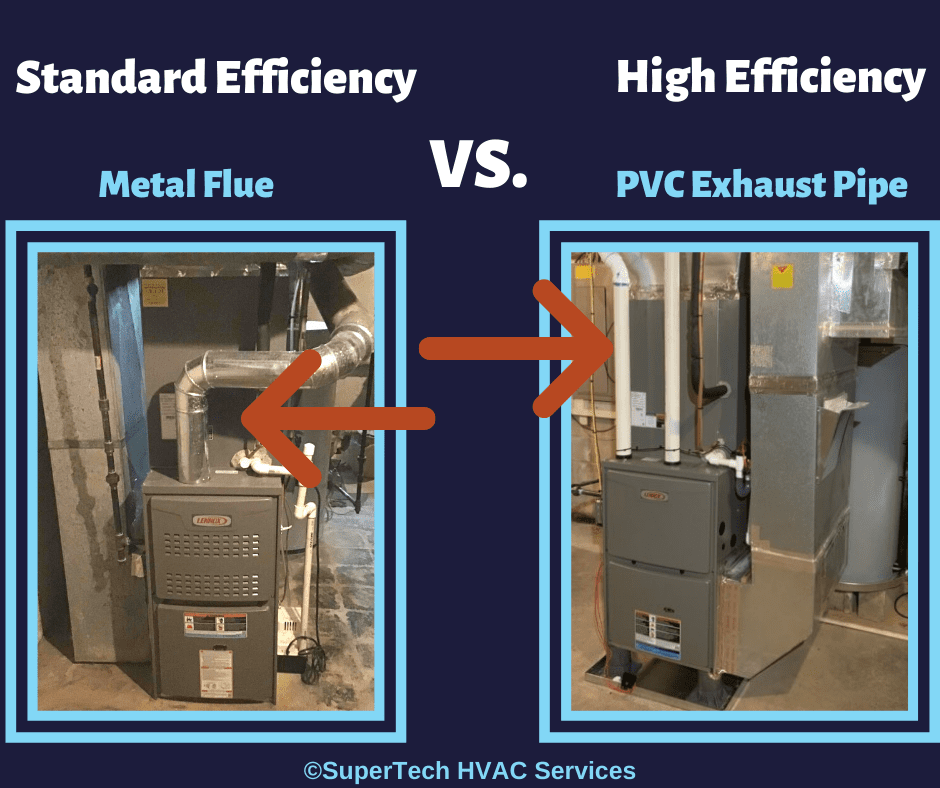
It is relatively easy to identify your furnace type, and to narrow down the reason for the leak. Look at the exhaust pipe. When the pipe is white plastic furnace PVC pipe, then it is a condensing furnace, making it high efficiency. A metal exhaust pipe has a standard efficiency rating and does not produce condensation.
Why is High efficiency furnace Leaking Water?
When a high efficiency furnace releases the exhaust gases, condensation is created. This condensation is a significant amount of moisture on the PVC pipe, and it needs to be drained either into a floor drain or a condensation pump. A water leakage occurs when the condensation is unable to drain properly.
Let me give you some examples:
Leaking From Condensate Drain Hose
The drain hose, which slopes down from the PVC exhaust pipe, can easily become clogged with debris, dirt, and dust. If any tubing that aids the draining is damaged, disconnected or clogged, this is when condensation leak occurs.
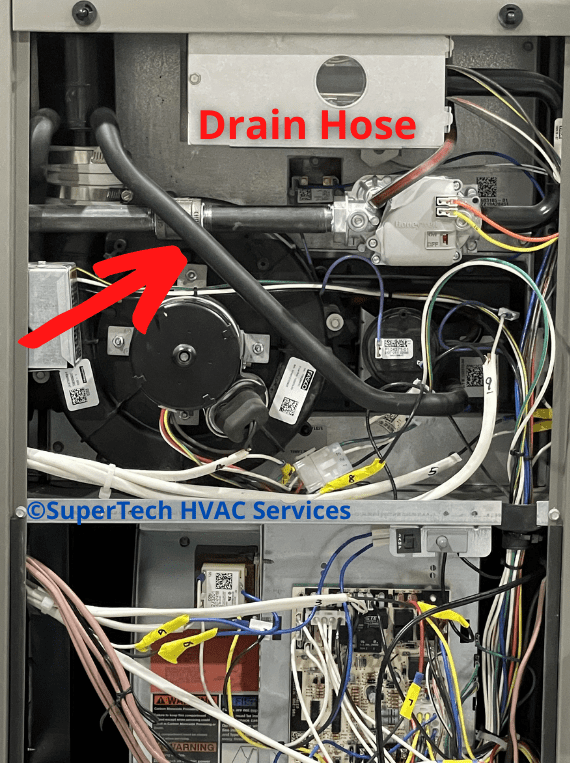
Condensate Drain Hose
Inducer Assembly Leaking
Next, the condensation runs d