
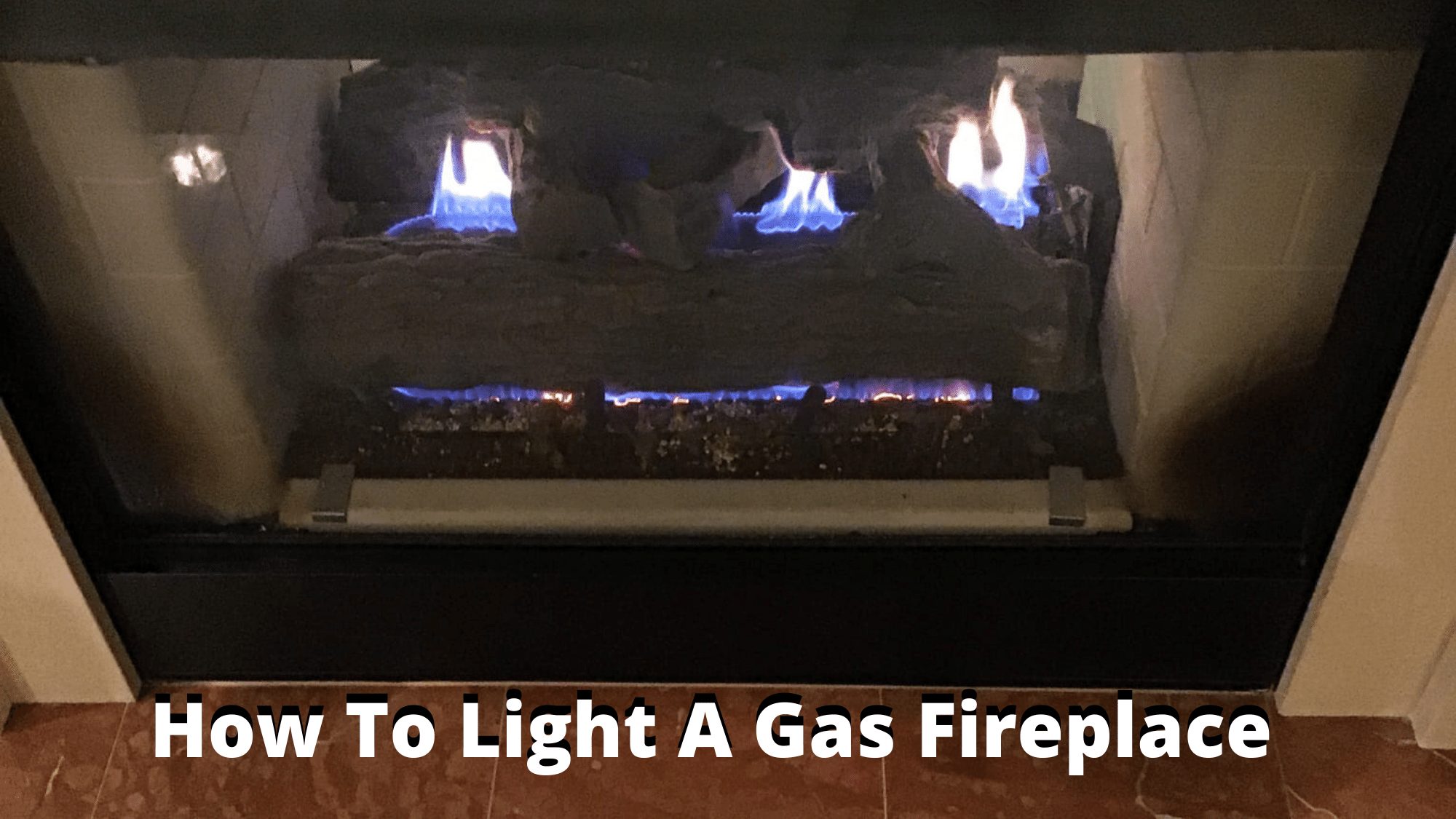
Gas fireplaces are an excellent option for adding ambiance and warmth to your home. But, it's getting cold out, and your fireplace is acting more like decor than a source of heat. The bitter weather may have you considering how to light a gas fireplace. Well, we have your back! Here is an all-inclusive guide to help make the process easy!
Light Your Gas Fireplace With An HVAC Pro
How Your Gas Fireplace Works
So you want to light your gas fireplace? First, some background knowledge can help you be more confident whenever you light your gas fireplace. When you turn on your fireplace, gas travels through the gas line to the main burner. Upon release from the main burner, the gas comes in contact with the pilot light or spark ignitor (depending on what type of fireplace you have) and ignites. For reference, the pilot light is a continuous burning flame used to ignite the gas released from the main burner. A spark ignitor is a modern method since it is an electric spark used to ignite the gas. Learn more about your pilot light here.
How To:
Before you can light your fireplace, you must identify the type of gas fireplace in your home. There are three popular systems for turning your gas fireplace on: control panel, gas valve fireplace key, and electronic ignition.
Light A Gas Fireplace With A Control Panel
Step 1: Read Manual
Before you light up that fireplace, make sure to read the included manual thoroughly. Though most fireplaces use similar methods of starting them off, there may be some variation between yours and others. If mishandled, this could lead to extreme danger!
Step 2: Open Access Panel
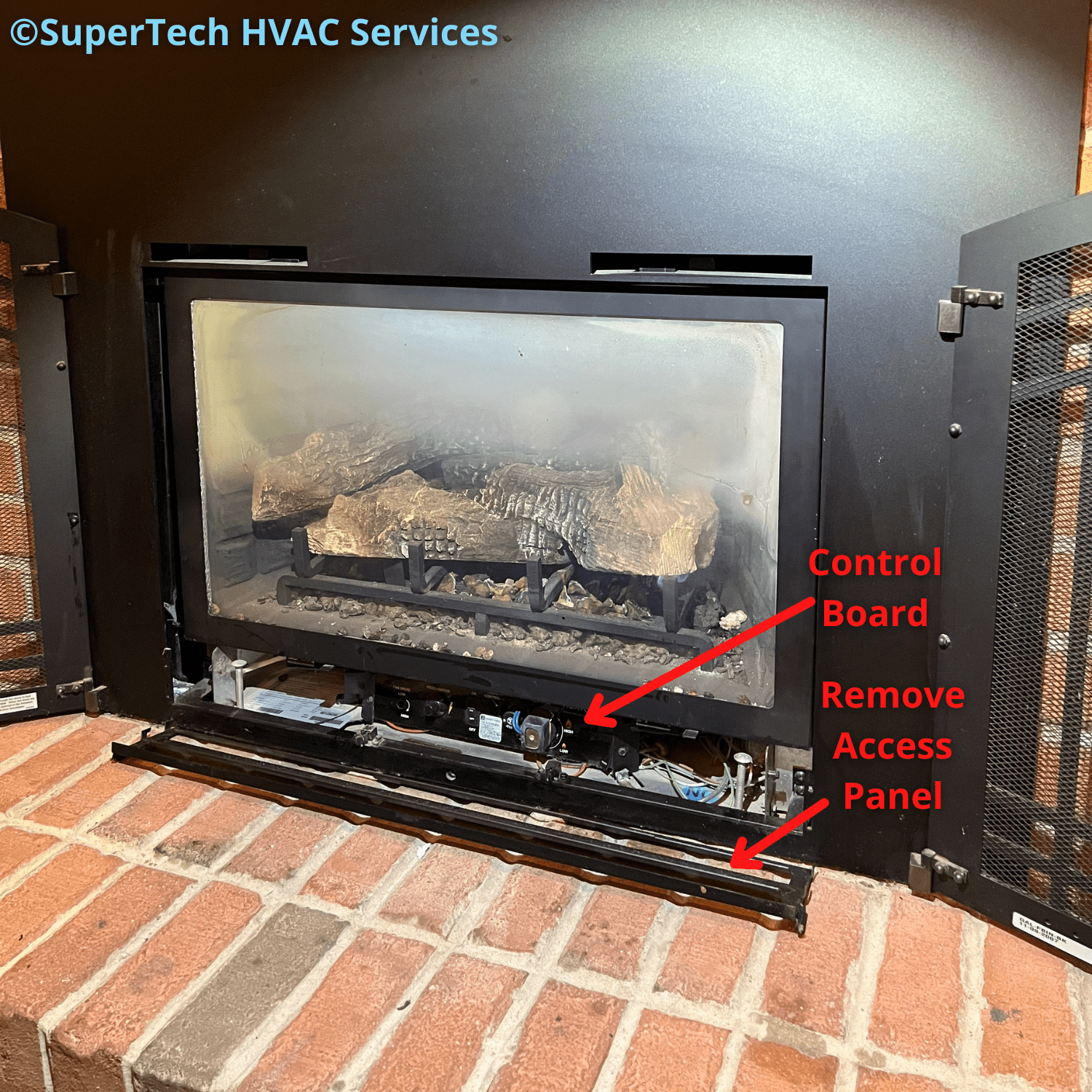
To start, find and open your fireplace's access panel. A specialized control panel manages the standing pilot light in modern gas fireplaces. To gain access to the control board, you will typically find an opening behind the fireplace's front screen, which you will have to remove for easy access.
Step 3: Turn Control Gas Valve Knob to "OFF"
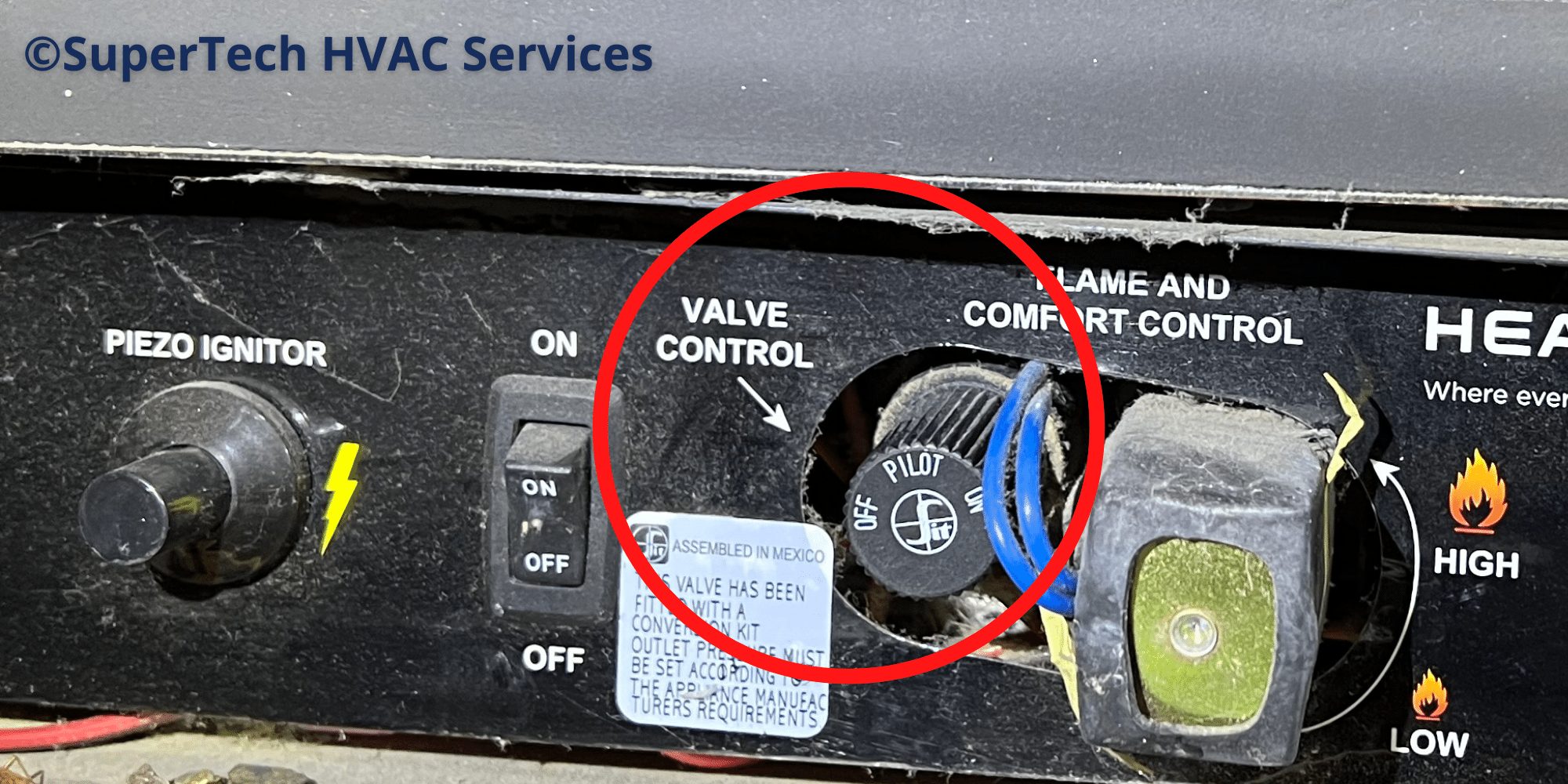
Once inside this panel, check for a gas valve knob marked Pilot; often, it will have the words "On," "Off," and "Pilot" on it. Now, turn the knob to the OFF position. Then, wait at least 5 minutes to allow any lingering gas to dissipate.
*****The consequences of natural gas cannot be overstated. Natural gas is a powerful and dangerous substance. It is critical for your safety to take every precaution possible when dealing with gas. You wouldn't want to be anywhere near a natural gas explosion, would you?
If you begin to smell traces of gas, ventilate your home by opening the doors and windows. But, if instead, you smell a strong odor of gas, immediately evacuate your home and call your local fire department.
Step 4: Wait 5 Minutes
After waiting at least 5 minutes, turn on the gas supply to your fireplace. This is typically done by turning a handle or pulling out a lever located on the gas line, near where you see your standing pilot light. It is perpendicular to the gas line if it is in the Off position. Turn the lever to be parallel so that the gas is on.
Step 5: Set Gas Valve Control Knob To The Pilot position
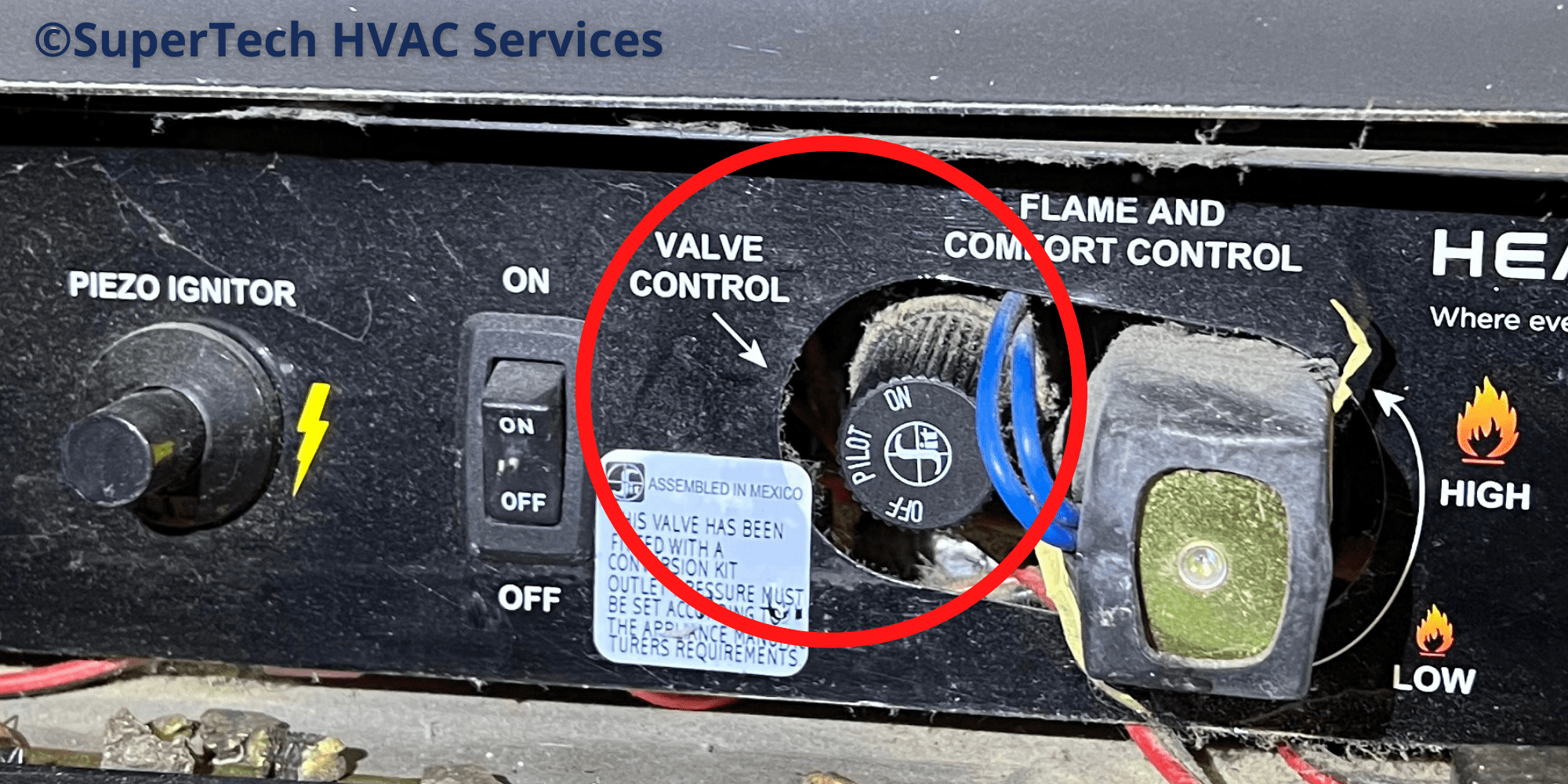
The next step is to set the control knob on Pilot position. Wait until you are ready to ignite the gas fireplace pilot light before turning the gas valve control knob.
Step 6: Hold Gas Valve Control Knob and Click Ignition Switch
Now, to start your fireplace, press on the center of a control knob to ignite it and hold the control knob in place.