
Moving into a new home is an exciting time in your life. But it can also be a rather stressful and expensive process. Often, homeowners find themselves buried under unexpected expenses after purchasing a new home. How does this end up happening? Home inspectors frequently fail to notice that important systems may need maintenance, repairs, or replacement during the standard preliminary home inspection. That's why you need an HVAC inspection before you move into your dream home.
Uncover A Hidden HVAC Disaster
With A SuperTech HVAC Pro Today!
What is HVAC Inspection?
A home HVAC inspection is an in depth evaluation of all the working parts of your home's cooling and heating systems. A certified HVAC technician inspects the HVAC system to determine the system's age, evaluates the cleanliness of each component, checks the function and condition of each system component, and inspects the safety mechanisms.
Why Does A Home Buyer Need An HVAC Inspection?
An HVAC inspection is a great way to avoid the surprise expenses and stress from dealing with an old, malfunctioning, or broken HVAC system. This thorough evaluation will be able to determine the efficiency and condition of each part, and whether or not to expect replacement, costly repairs, or high utility bills when you settle in.
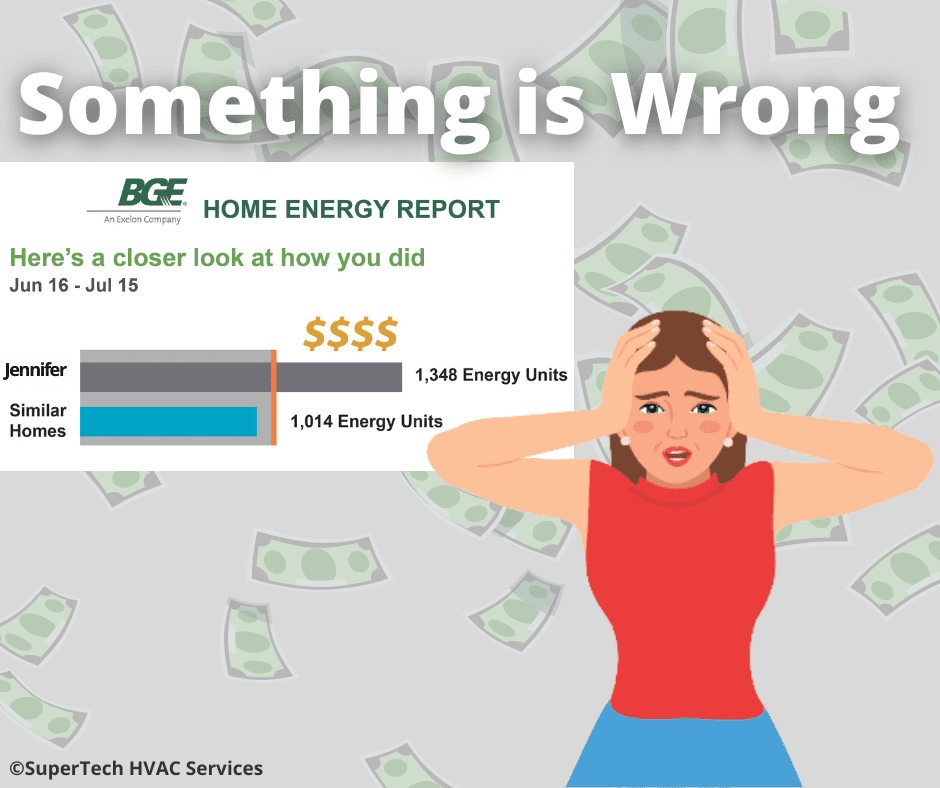
Something is wrong! High utility bills can be a red flag you have an HVAC problem.
A standard home inspection is necessary for discovering any glaring problems before move in day. The inspector will assess the roof, structure and foundation of the home, as well as test to make sure all plumbing, electrical work, and HVAC equipment are functioning. This is a general evaluation that simply tests if the HVAC equipment turns on and off. Although a home inspection is important, the inspector is not an HVAC technician, nor do they possess the HVAC tools required to thoroughly evaluate and understand your Heating and Cooling system.
Your HVAC system is central to your comfort; give it the attention it deserves. Depending on the status of the HVAC unit, you may also be able to negotiate on better terms and potentially save money on the house purchase. So let's learn what a HVAC specialist evaluates during an HVAC inspection!
Furnace Inspection
Thermostat
To start off, it is important to make sure that your thermostat works properly. The contractor will test the device and inspect any internal wiring in order assess if everything is functioning as it should. During a standard home inspection, the heat or AC may come on, but you will not be able to determine if the thermostat is reaching it set temperature or not.
Furnace Cabinet
Next, the HVAC technician examines the structure and connections of the cabinet. This is important to inspect because it is where the internal furnace components are located.
Furnace Electrical Components
While inside the furnace cabinet, the HVAC professional evaluates all electrical connections and test all safety features, such as the high limit switch. This safety feature turns the furnace off when it is overheating.
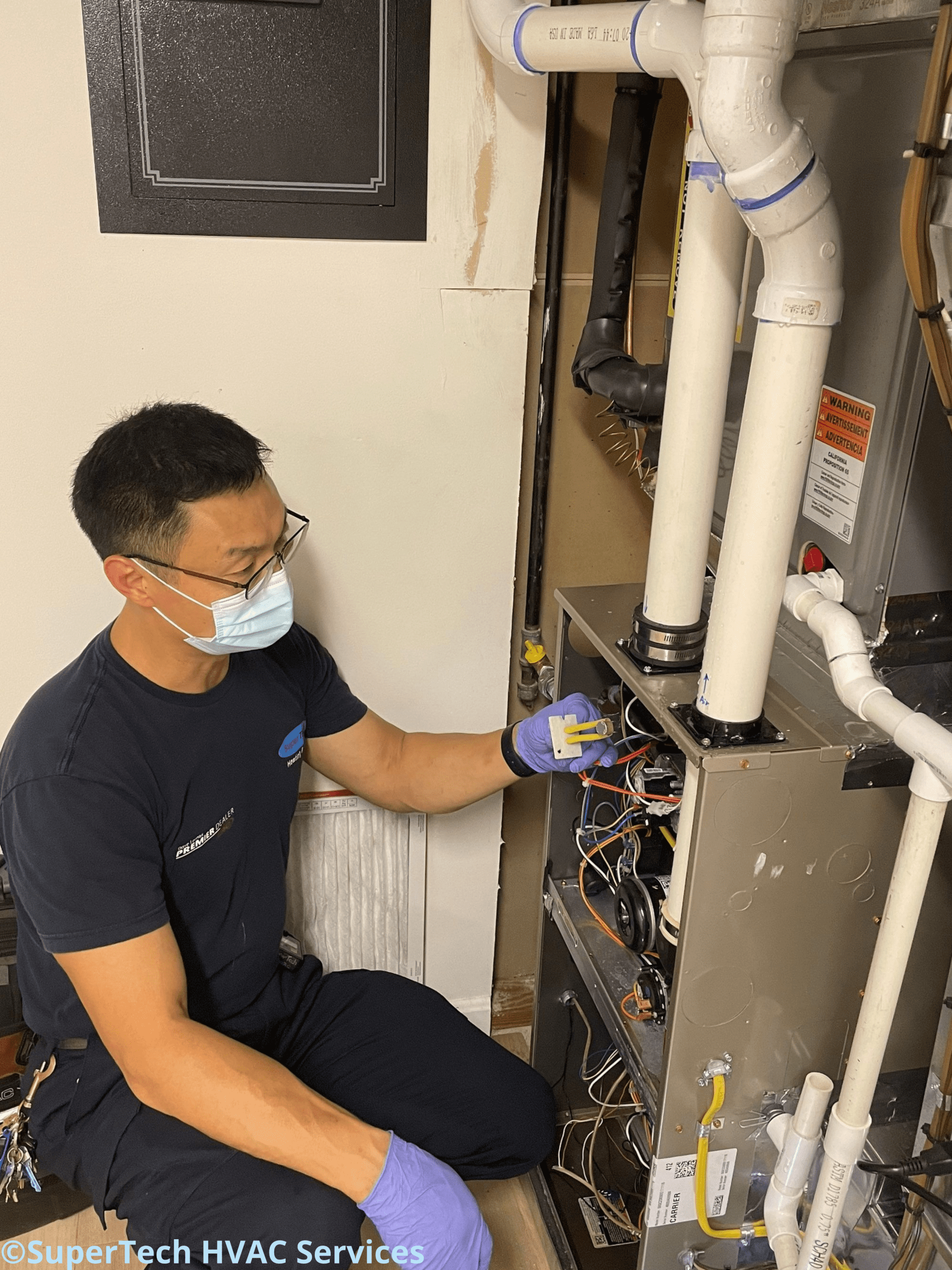
HVAC Pro inspecting High Limit Switch
Furnace Blower Wheel
Next, they assess the cleanliness and efficiency of the furnace blower wheel. The blower wheel pushes the circulating air through your HVAC system and back into your duct work. If it is not working properly you will have HVAC will struggle to keep up with the demands of your household, and your utility bills will skyrocket.
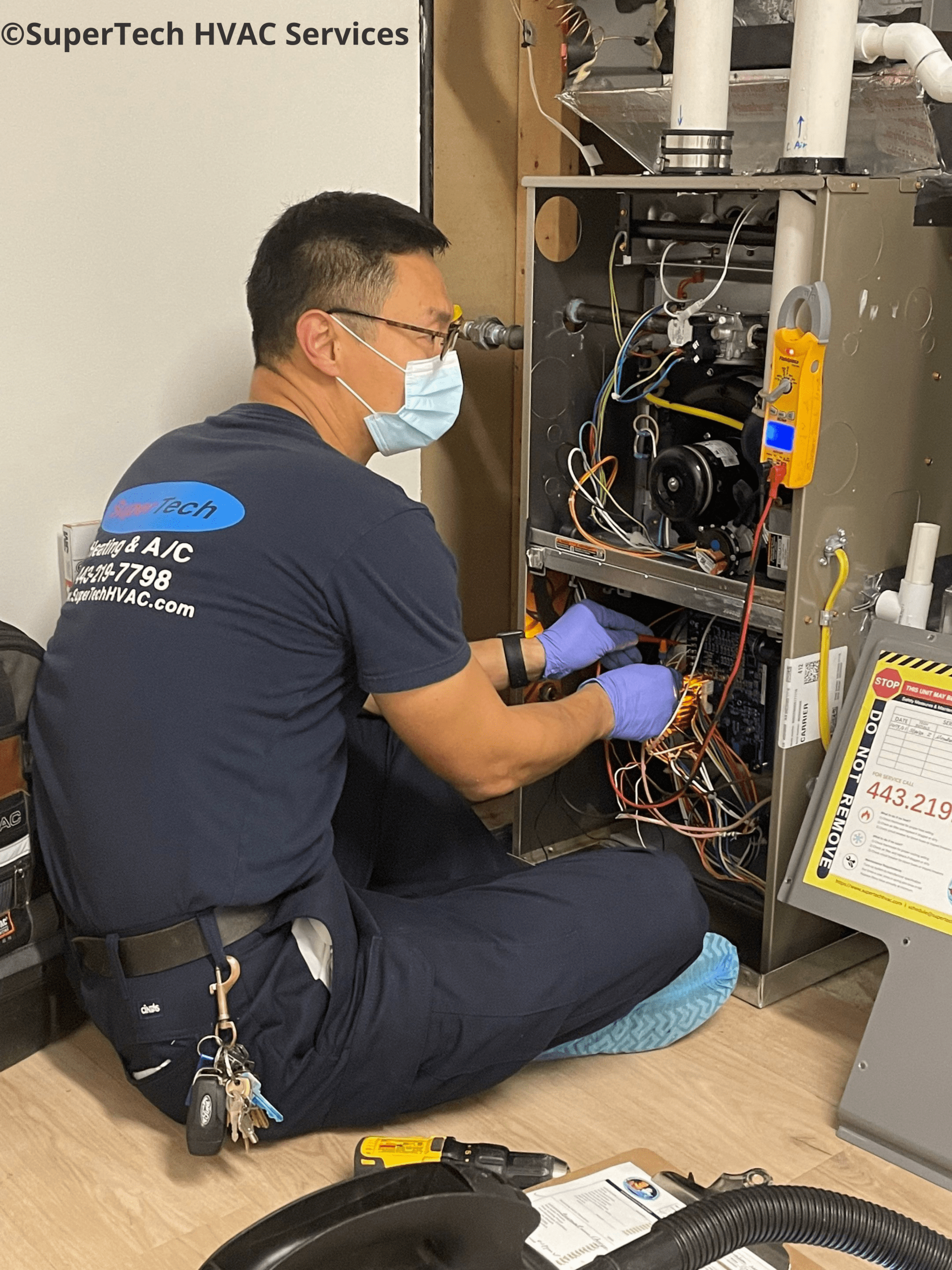
HVAC Pro checking Blower Wheel efficiency
Furnace Ignition
They must inspect the cleanliness and functionality of the burners, flame sensor, and igniter. When any of these features become dirty it can lead to your furnace blowing cold air or inconsistent heating. This is the reason regular maintenance is important for preventing a heating repair.
Furnace Exhaust Venting & Heat Exchanger
Next, the HVAC contractor inspects the condition of the flue pipe, and cracks or holes in heat exchangers. Carbon monoxide will leak out any cracks or holes in the heat exchanger or flue pipe.If you want peace-of mind, hire only HVAC professionals who know what they're doing so you aren't at risk for carbon monoxide poisoning or a gas leak.
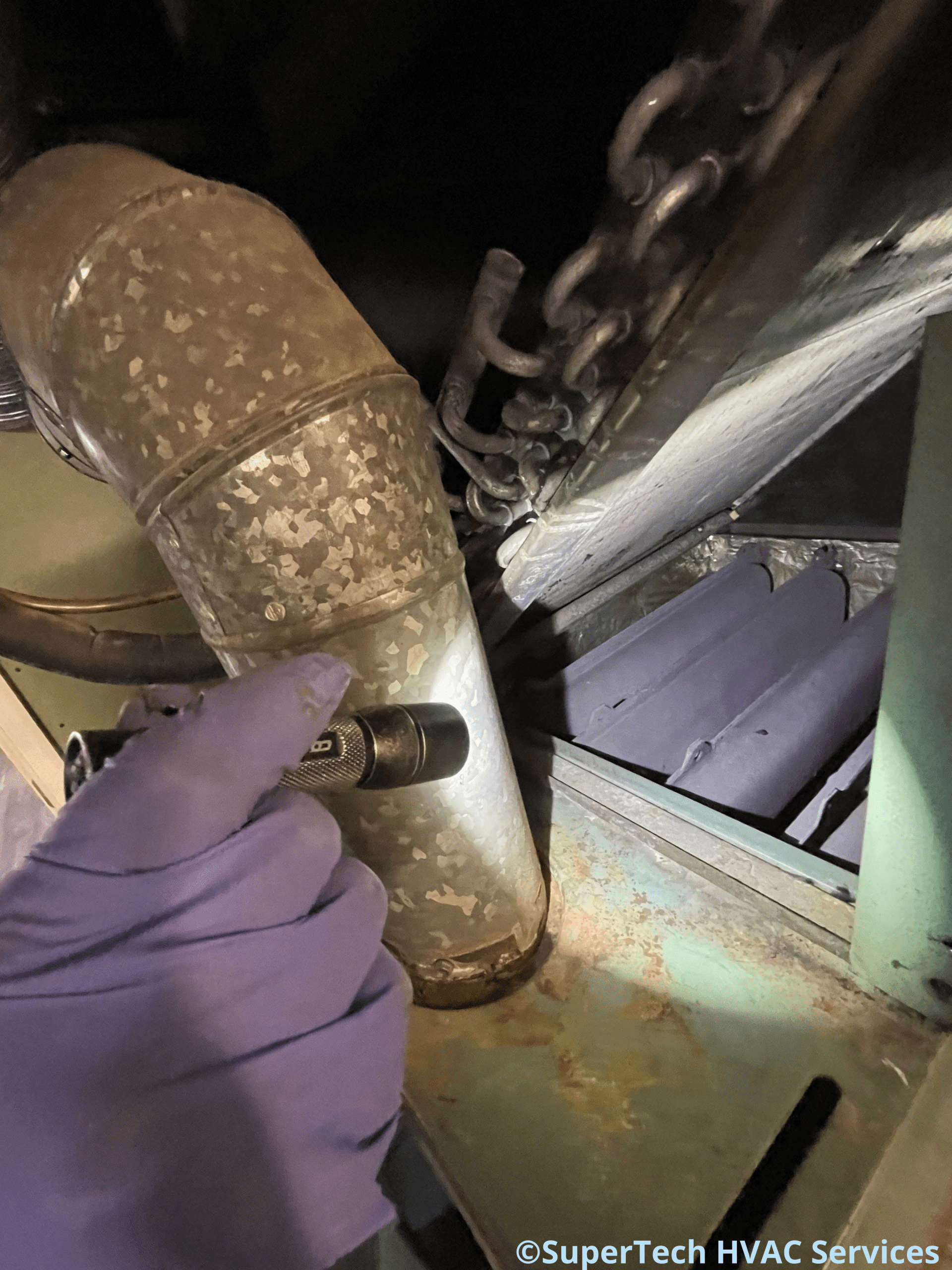
Checking the Heat Exchanger for cracks
Gas & CO Test
Safety checks are conducted by your HVAC contractor to determine if there is a gas leak or Carbon Monoxide leak. This is critical for your safety since gas is explosive and Carbon Monoxide poisoning is fatal. Both can have deadly consequences if not addressed. Additionally, they assess if the CO detectors in home are functional.